

Complex care and support
Support that considers the whole person.
Some people need support across several areas of life, from a combination of learning disabilities, autism, mental health, physical health or communication needs. We take time to understand how these needs affect the individual and what matters most to them.
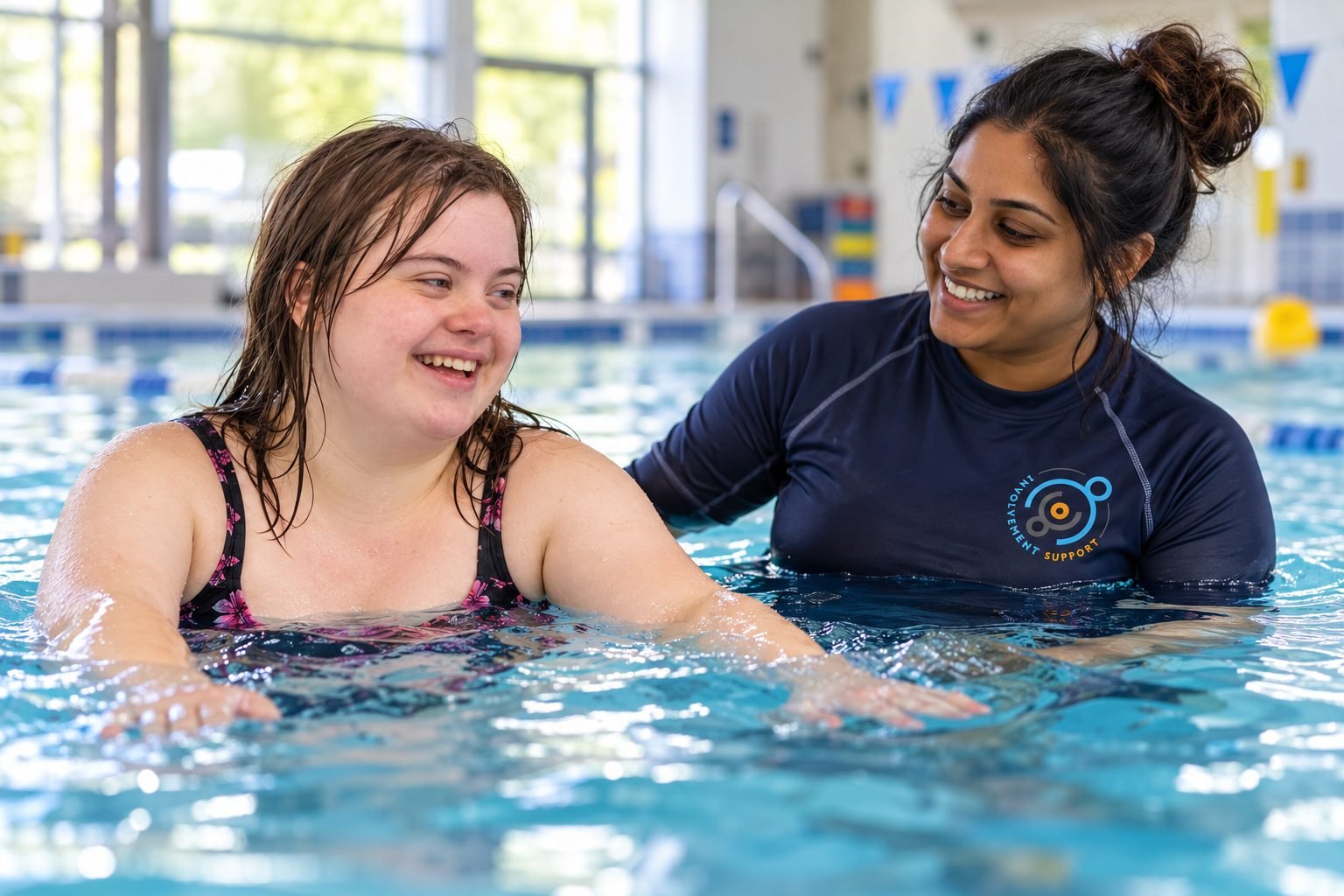
Assessment
What we consider.
Every referral is assessed individually to establish whether we can provide suitable support and whether more professional input is needed.
- Daily living skills and personal care
- Physical health and emotional wellbeing
- Mobility and access requirements
- Medication support requirements
- Communication preferences and sensory needs
- Situations that may cause distress
- Personal goals, interests and relationships
- Risks and how they will be managed
Coordinated support
How needs interact.
Support may include personal care, meal preparation, household routines, attending appointments and community activities.
We consider how different needs affect each other. For example, an unfamiliar place or a change in routine may affect how someone communicates or takes part. Clear guidance helps staff provide consistent support.
- One plan covering health, care and daily routines
- Clear roles for staff and other professionals
- Consistent staff who know the person well
- Regular checks that support still fits
Communication
Being understood.
Being able to express a preference, concern or need is central to good care. We adapt communication using clear language, visual prompts, extra processing time or recognising non-speaking communication.
We listen to people who know the individual well, while keeping the person’s own wishes central.
- Plain language and visual prompts
- Extra time to process and respond
- Learning each person’s signs and gestures
- Recording what works in the support plan
Responding to distress
Understanding first.
We consider environment, communication, comfort, health and recent changes. Where appropriate, Positive Behaviour Support may form part of an agreed plan.
Staff have clear guidance about how to respond, when to seek help and how to share concerns.
- Looking for causes before responding
- Planned, calm and consistent responses
- Learning from each incident
- Specialist advice where needed
Other professionals
Clear responsibilities.
People with complex needs often receive support from several organisations. We work alongside them to clarify responsibilities, contribute to reviews and follow agreed professional guidance.
Preparing the team
The right skills before day one.
Before support begins, we identify the staff skills, person-specific preparation and training needed. We discuss our capabilities and any limits openly during assessment.
Reviews
Responsive as needs change.
Plans are reviewed with the person and others involved. Reviews help spot changes in health, wellbeing, communication or daily living needs, and check the arrangements remain suitable.
- Planned reviews with everyone involved
- Early reviews when needs change
- Updates to risk assessments and plans
- Clear actions shared with the team
Questions
Complex care FAQs
Answers to the questions we are asked most often.
What counts as complex needs?
It usually means a person needs support across several areas of life at once, such as learning disability, autism, mental health, physical health or communication. We look at how those needs affect each other.
Can you carry out clinical tasks?
Some health tasks can be delegated to trained staff where it is safe and agreed. Each task needs its own assessment of the training, oversight and arrangements required. We will be clear about what we can and cannot take on.
How do you prepare staff?
Before support starts, staff learn about the person’s plan, communication and routines, and complete any person-specific training. Introductions and shadowing are arranged where possible.
Who coordinates with other services?
We agree responsibilities with the professionals involved, contribute to reviews and follow agreed guidance within our role.
What if needs change over time?
Plans are reviewed regularly and whenever something significant changes. We will tell you openly if the support needed moves beyond what we can safely provide.
Next steps
Discuss a referral
We will talk through the proposed support, location and assessment information before deciding whether a service can be offered.